
Trade Show Video Production in Toronto: A Content Plan for Exhibitors
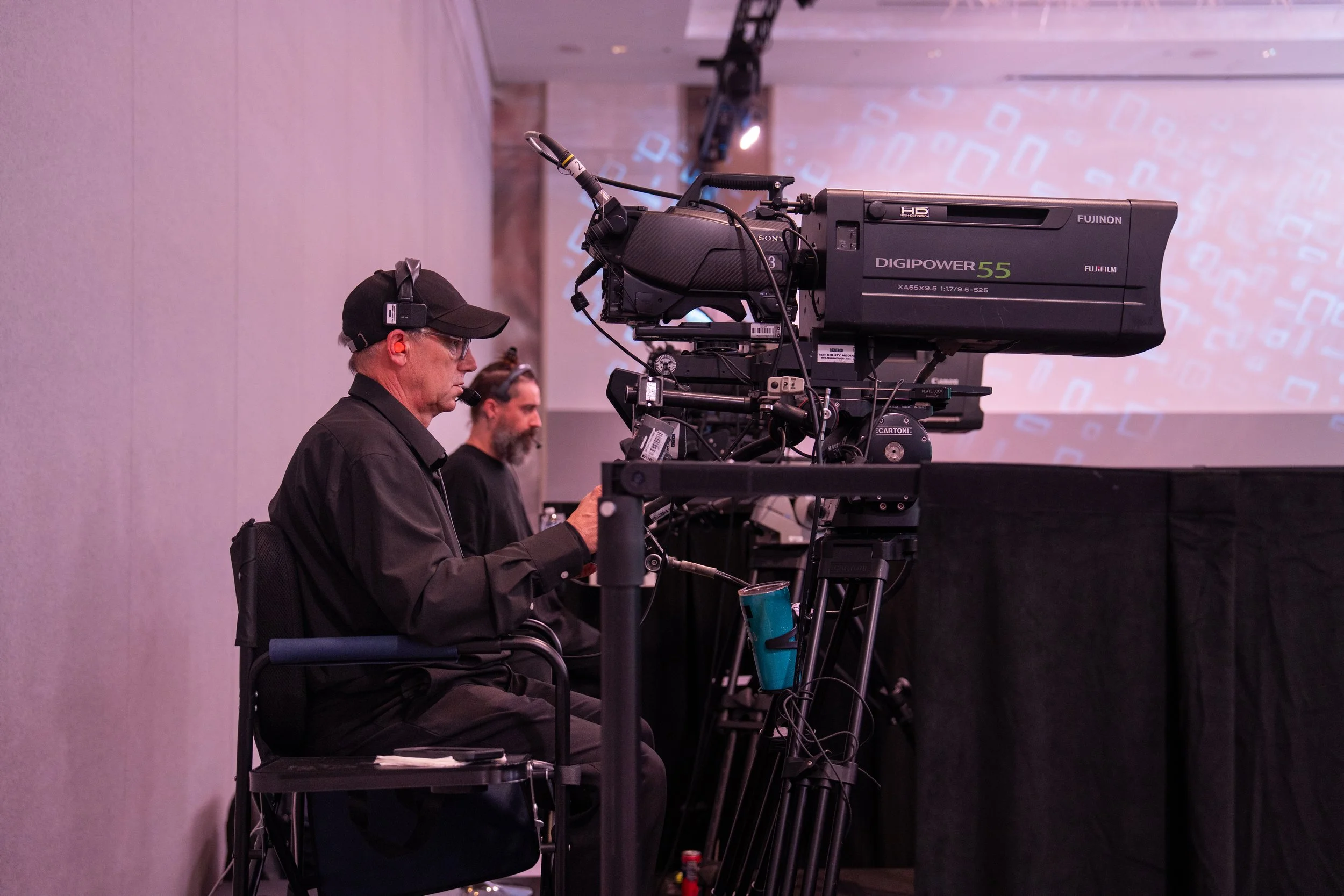
Trade show video production works best when you decide what the footage must do before the expo floor opens. Your team may need product demo clips, short interviews, sponsor proof, social updates, a recap film, or a library for future campaigns. Each output needs different moments, sound, framing, and approval.
Uptown Media has covered conferences, trade shows, launches, and corporate productions for more than 250 teams since 2013. This guide shows you how to turn a Toronto trade show schedule into a practical video brief that a production crew can use.
Choose the business job before you choose the shots
A trade show creates several stories at once. Your booth team is demonstrating a product. Sales is meeting prospects. Executives may be speaking. Sponsors need visible proof. Marketing wants content while the event still feels current.
Do not ask one recap video to handle every job. Build a small set of defined outputs instead. Cvent’s 2025 event video guide describes video as year round content and recommends planning clips for their eventual channels. The article also documents a Cvent event where more than 60 testimonial clips were recorded in one day. That result depended on a dedicated capture plan, not casual interviews between other assignments.
| Output | What to capture | Production decision |
|---|---|---|
| Product demo clips | The problem, key action, interface or physical result, and one clear explanation | Confirm demo length, screen visibility, sound, and who presents |
| Customer or partner interviews | Specific experience, result, or point of view in the speaker’s own words | Reserve a quiet location and obtain informed consent |
| Social updates | Short answers, booth activity, details, and vertical scenes | Name the approver and the delivery cutoff for each day |
| Trade show recap | Arrival, scale, booth activity, demonstrations, conversations, speakers, and a closing beat | Define the final length, music approach, captions, and call to action |
Share this output list when you request event video production in Toronto. It lets the production team recommend the right crew, audio package, schedule, and delivery workflow.
Build the schedule around moments that cannot be repeated
A booth demonstration can often run again. A keynote entrance, award, executive visit, sponsor moment, or customer reaction may happen once. Put those moments into a timed priority list and connect each one to a person responsible for alerting the crew when the schedule changes.
Map travel time as carefully as recording time. A crew covering a keynote, an expo booth, and an interview room cannot treat those spaces as one location. Use the floor plan, note security checkpoints, and flag elevator or loading restrictions. If you are working at the Metro Toronto Convention Centre, review its current exhibitor forms and supplier guidance before production day. The venue publishes a 2026 to 2027 exhibitor package and directs exhibitors to show management for event specific move in times and access rules.
Uptown Media’s PDAC conference coverage shows the range a large trade show can contain: exterior context, registration, expo aisles, booths, presentations, panels, and networking. A video brief should decide which of those environments matter to your campaign before the crew arrives.
Give product demos enough time, space, and sound
Plan a clean version of the demonstration
A busy booth proves interest, but it can hide the product and make dialogue unusable. Reserve a short window before the floor opens or during a quiet period for one complete demonstration. Prepare the device, samples, screens, and presenter before that window starts.
Write the demo as a sequence: problem, action, result, next step. Keep the presenter’s language natural. A useful explanation is better than a memorized speech that ignores what the camera can actually see.
Protect the audio
Expo halls combine announcements, nearby speakers, conversations, music, and hard surfaces. Decide whether the final piece needs direct speech. If it does, plan a microphone for the presenter or move the interview to a quieter area. Camera position alone cannot repair a voice buried under the show floor.
The International Association of Exhibitions and Events noted in May 2026 that video can support sponsor value, stakeholder engagement, and content long after the event. Its guidance starts with authentic perspectives from attendees, exhibitors, and sponsors. Those perspectives only help when the words are clear enough to use.
Plan consent and brand review before recording begins
Your registration terms, event signage, speaker agreements, and interview releases should match the way you plan to use the footage. The Office of the Privacy Commissioner of Canada says meaningful consent requires people to understand what information is collected, why it is collected, who receives it, and the consequences of that use.
Translate that principle into a working event process. Tell interview subjects where the video may appear. Record the approval status. Give the production team a clear do not film list for guests, confidential screens, unreleased products, or restricted areas. Do not rely on a general badge notice for a planned testimonial or close interview without checking the event’s legal and privacy requirements.
Collect approved logos, product names, lower third text, sponsor spelling, and brand colours in one folder. Set one person to review urgent clips. This prevents several departments from giving conflicting notes while the event is underway.
Design the handoff for the channels that will use it
Agree on file orientation, length, captions, naming, and delivery time before production day. A horizontal recap, a vertical speaker clip, and a silent booth loop need different edits. Decide which videos require subtitles, which clips need music, and which files must be delivered while the event is still active.
Use two delivery lanes. The first contains urgent selects or edits for current event communications. The second contains polished pieces and organized source footage for later campaigns. Cvent’s 2026 event content guidance recommends planning content across the full event lifecycle, not only for the event day. A structured handoff makes that possible.
Review Uptown Media’s event and commercial portfolio and the Google Search Honours Awards project when deciding how much environment, audience, stage, and brand context your final story needs. If photography is also in scope, coordinate the video brief with the conference and trade show photography plan so both crews share priorities without duplicating every angle.
Five questions exhibitors ask about trade show video
What should a trade show video production brief include?
Include the business goal, target audience, final formats, priority moments, booth schedule, venue access, interview list, audio needs, consent process, brand assets, delivery deadlines, and one approval contact.
How far in advance should we book a trade show video crew in Toronto?
Book once your event date, venue, and core scope are confirmed. Early booking gives you time to secure access, review the floor plan, coordinate speaker windows, and plan sound and delivery before the final production meeting.
Can one crew film the booth, keynote, and interviews?
Sometimes, but only when the schedule and travel time allow it. Simultaneous sessions, distant rooms, security checks, or same day editing may require more than one camera operator or a dedicated editor.
How do we record clear interviews on a noisy trade show floor?
Use a close microphone, choose a controlled background, and reserve a quieter time or interview area. If the floor noise remains too strong, capture the scene separately and record the explanation in a suitable location.
What trade show video files should we request after the event?
Request the agreed final edits plus any approved source clips your team will reuse. Confirm horizontal and vertical versions, caption files, clean and branded versions, naming, folder structure, access period, and usage rights.
Turn the plan into one usable production brief
Your final brief should fit the way the event runs. List the outputs first, then the moments, people, locations, restrictions, and deadlines that support them. Send one approved version to the production team and update that version when the agenda changes.
Share your event date, venue, floor plan, booth schedule, priority speakers, and delivery needs with Uptown Media. The team can recommend a coverage plan built around the content your organization will actually use.