
On-Site Photo Printing for Toronto Events: How the Experience Works
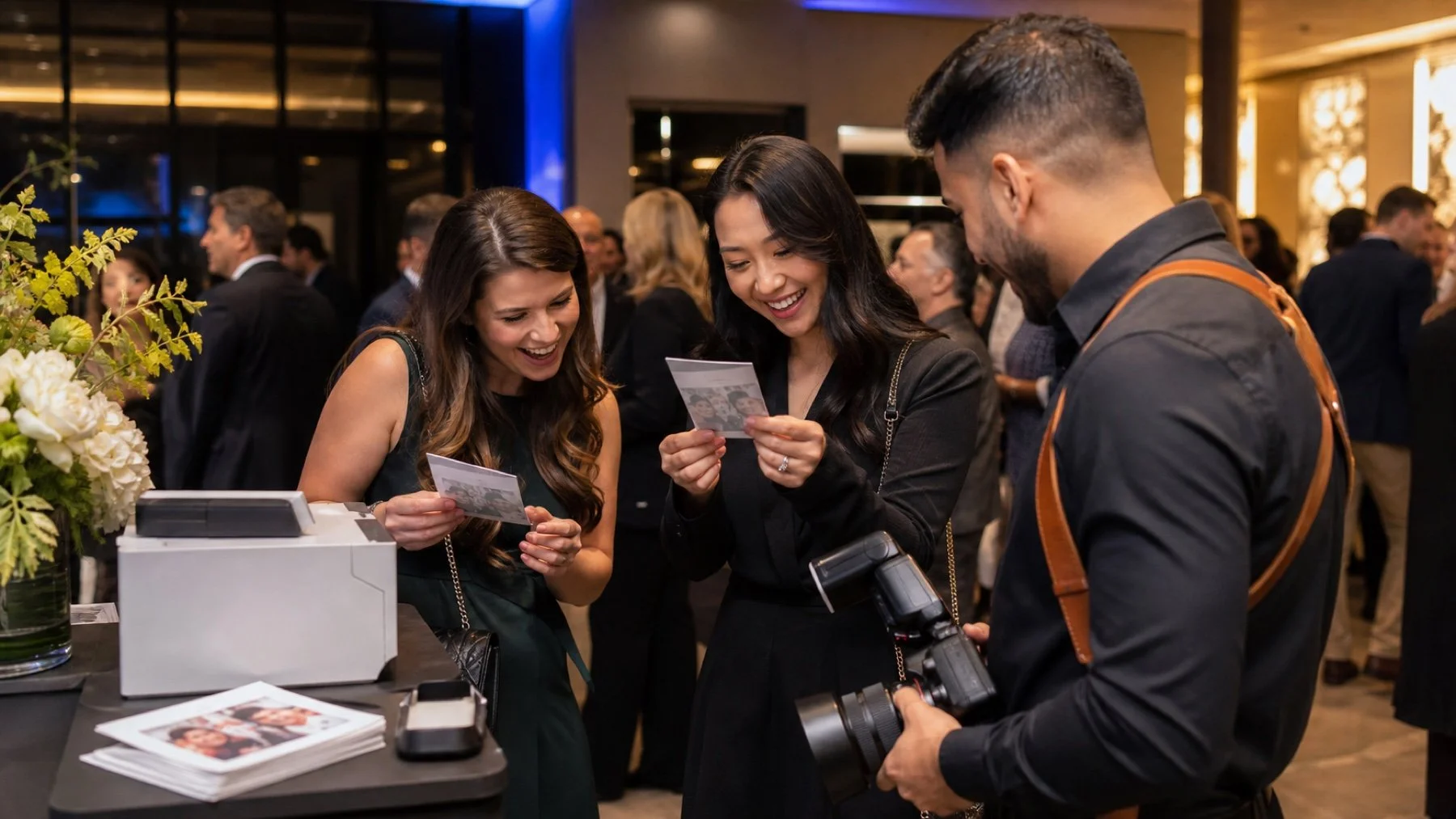
On-site printing turns a photograph into an event takeaway, but the guest experience depends on a simple production flow. The organizer needs to plan where the image is made, where the file is processed, where the print is collected, and how the line moves between those points.
Choose the type of photo experience
Decide whether the image will be a posed portrait, roaming event photo, branded booth, step-and-repeat or another planned setup. The choice affects space, lighting, staffing and how guests learn that a print is available.
Discuss the format with the team providing on-site photo printing in Toronto. Share the venue plan, attendance pattern and the amount of time guests can spend in the experience.
Map the production stations
A practical layout separates the camera position, production equipment and guest pickup. Keep cables and equipment out of public paths. Confirm power, table space, network requirements, lighting conditions and load-in access.
Place pickup where guests can find it without crowding the camera. If names or numbers will be called, test whether they can be heard. For a large event, signs and a dedicated host can prevent guests from asking the photographer for status updates.
Approve the branded print before event day
Provide the correct logo files, colours, campaign wording and required partner marks. Check safe areas around the image and confirm the final orientation. A proof should be reviewed by one person with authority to approve the brand.
Ask for a physical or production-quality test when colour and finish matter. A layout seen only on a laptop may feel different at print size. Lock the approved version so an old logo or unapproved date cannot return during setup.
Plan identification and privacy
- Decide how each image will be matched to the correct guest.
- Avoid displaying personal details to the full queue.
- State whether digital copies are also collected.
- Explain any consent requirement before the photo is made.
- Provide an alternative for guests who do not want to participate.
If email or phone information is collected, define who receives it and how it will be used. The experience should not surprise a guest with a marketing consent after the photograph is taken.
Prepare for event-day volume
Attendance alone does not describe demand. A short break can send many guests at once, while an open expo period may spread participation over hours. Share the program and likely peaks so staffing and queue management match the schedule.
Build time for paper changes, equipment checks and small interruptions. The event contact should know how to pause the queue, communicate a delay and restart without losing the order of guests.
Can the print include sponsor branding?
Yes, when the layout and logo use are approved in advance. Include all required partners in the proof process.
Where should pickup happen?
Close enough to feel connected to the photo experience, but far enough away to keep completed guests from blocking the camera queue.
What happens to unclaimed prints?
Choose a labelled holding process and an end-of-event owner. Tell guests where they can return before the event closes.
Send the floor plan, event schedule and branding requirements to Uptown Media.